


Back to
All Posts
Archives- July 2026
- June 2026
- May 2026
- April 2026
- March 2026
- April 2025
- December 2024
- September 2024
- June 2024
- April 2024
- March 2024
- December 2023
- September 2023
- June 2023
- March 2023
- November 2022
- October 2022
- July 2022
- June 2022
- May 2022
- December 2021
- November 2021
- October 2021
- August 2021
- May 2021
- April 2021
- February 2021
- January 2021
- November 2020
- September 2020
- August 2020
- July 2020
- April 2020
- February 2020
- January 2020
- December 2019
- November 2019
- October 2019
- September 2019
- August 2019
- July 2019
- June 2019
- April 2019
- July 2018
Why Are Construction Material Prices Rising?
Why Are Construction Material Prices Rising?
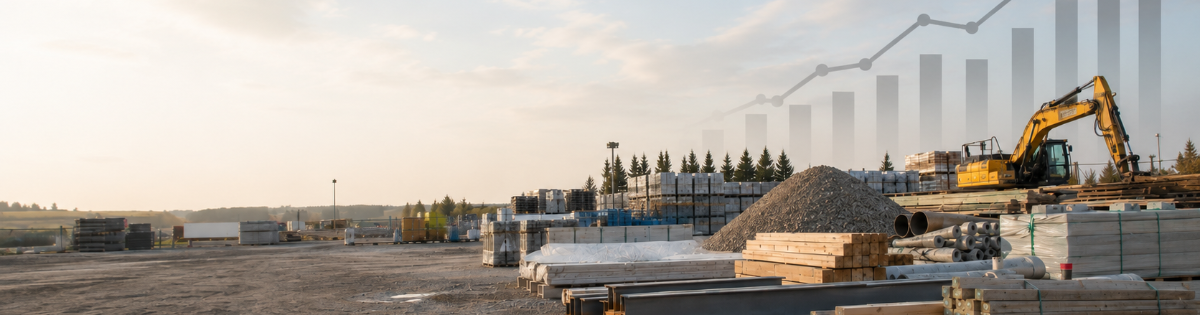
Construction material prices are still putting pressure on the trade. Steel, timber, aggregates, coatings, fuel and transport costs can all affect the price of getting a job done.
For fitters, plant hire firms, contractors and maintenance teams, this is not just a market headline. It affects repair costs, job pricing, stock planning and how quickly machines can be turned around when parts are needed.
What Materials Are Going Up?
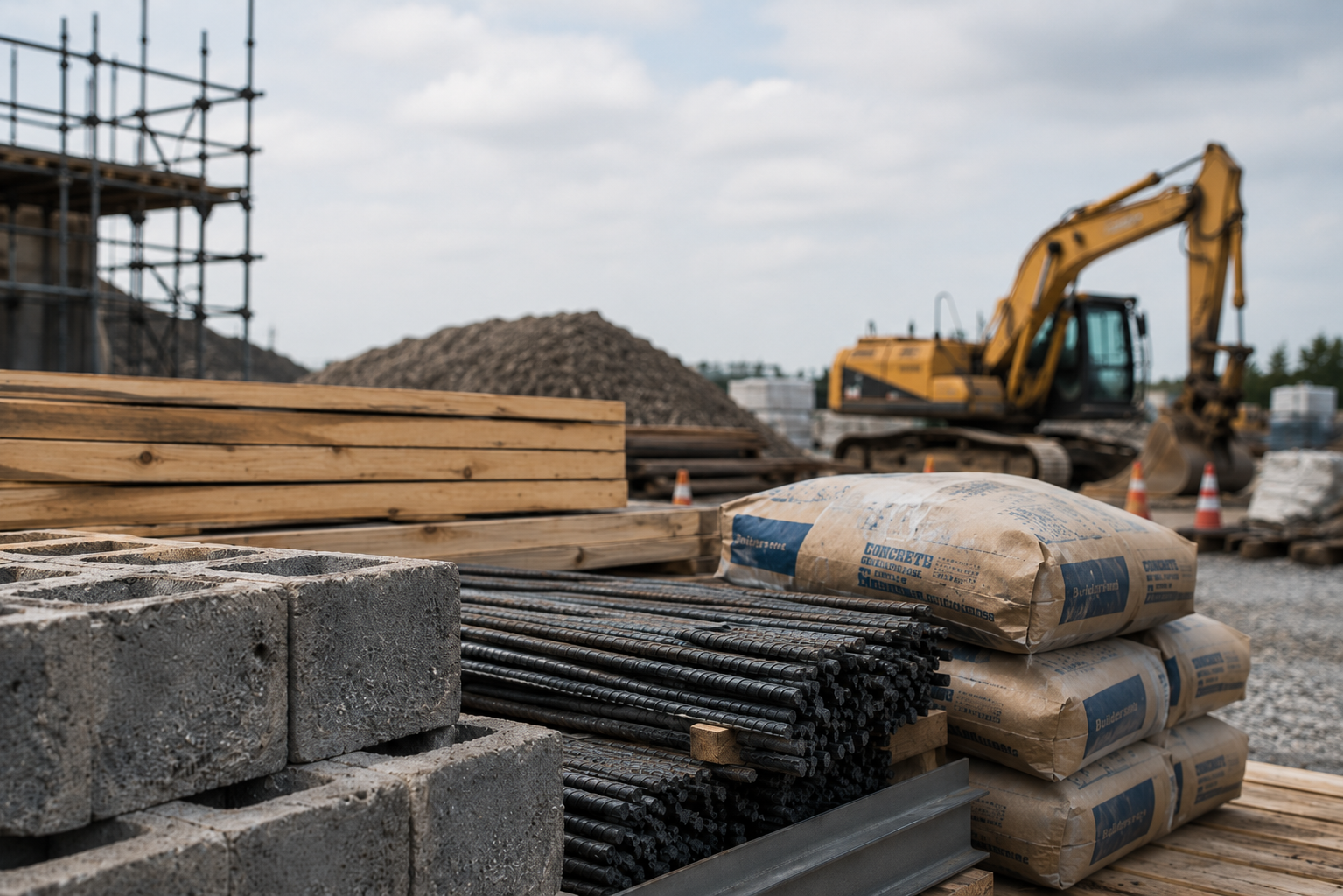
Recent figures show price rises across several key construction materials. Aggregates, fabricated structural steel and non-aqueous paint have all seen noticeable increases.
That matters because these products sit behind a lot of everyday work. Steel affects frames, brackets, fixings, guards, blades and fabricated parts. Aggregates feed into groundworks and concrete. Paints and coatings affect finishing, protection and repair jobs.
Even when the overall increase looks small, certain product groups can rise much faster than the average.
Why Are Prices Still Rising?
There is rarely one single reason. Most price rises come from several costs building up across the supply chain.
- Energy costs: Steel, cement, coatings and manufactured products can use a lot of energy to produce.
- Fuel and transport: Heavy or bulky goods cost more to move, especially when they are imported.
- Raw material costs: Timber, metals, aggregates and oil-based products can all change in price depending on supply.
- Labour costs: Higher employment costs can feed into manufacturing, haulage and merchant pricing.
- Supply pressure: Some products are still affected by limited supply, longer lead times or tighter availability.
- Import costs: The UK relies on imported materials in several areas, so shipping and currency movement can add extra pressure.
Steel Is One to Watch
Steel price movement is a big one for construction and plant maintenance. It does not only affect large structural jobs. It can also feed into brackets, bolts, fixings, guards, frames, blades, fabricated parts and repair components.
For workshops and hire fleets, that can mean replacement parts cost more than expected, especially where steel-heavy items are involved.
If you are quoting work weeks or months ahead, steel can also make pricing harder. A part or material cost that looks right today may not be the same when the job is ready to start.
Oil-Based Products Can Be Hit Too
Oil prices can affect more than fuel. Many construction and workshop products use oil directly or indirectly in production, packaging or transport.
This can include paints, coatings, sealants, adhesives, plastics, rubber parts, packaging and everyday consumables used on site or in the workshop.
That is why price increases can sometimes show up in product areas that do not look connected at first glance.
Timber, Panels and Imported Goods
Timber and panel products can be affected by several layers of cost. Sawmill input costs, haulage, labour, fuel and shipping can all play a part.
Plywood and panel products often travel further before reaching UK merchants, so transport and shipping costs can have a bigger effect by the time they arrive.
For site teams, this can mean higher costs on temporary works, formwork, repairs, storage, protection and general maintenance jobs.
What This Means for Trades and Hire Companies
Rising material prices can quickly turn into practical problems. A repair that used to be simple to price may now need checking more often. Stock that was cheap to keep on the shelf may need tighter control. Common consumables may need ordering before prices move again.
For plant hire businesses, the bigger issue is downtime. If a machine is waiting for a worn part, damaged guard, replacement fixing, belt, filter or service item, the cost of the part is only part of the problem. The lost hire time can be worse.
How to Keep Control
You cannot control the price of steel, fuel or imported materials, but you can reduce the impact on day-to-day work.
- Check prices before quoting longer jobs.
- Keep fast-moving service parts in stock where possible.
- Review slow-moving stock so money is not tied up in the wrong parts.
- Use the correct part first time to avoid repeat repairs.
- Order common consumables before urgent breakdowns happen.
- Use model and part number searches to avoid delays.
Parts Supply Matters More When Prices Move
When prices are rising, reliable parts supply becomes more important. Fitters and maintenance teams need to know they can find the right part quickly, whether that is for a Wacker plate, Belle mixer, Stihl saw, Husqvarna cutter, Kubota engine, Makita tool or general workshop repair.
Keeping machines working is still the priority. The easier it is to find the right service parts, spares and consumables, the less time is wasted chasing alternatives.
Need Plant Spares or Workshop Parts?
Find plant spares, service parts, fixings and workshop essentials for trade maintenance and repair work.
Shop Plant Spares Open a Trade AccountFinal Thoughts
Construction material prices are still under pressure, and some product groups are seeing bigger increases than the headline figures suggest. Steel, aggregates, coatings, timber, fuel and imported goods are all worth watching.
For tradespeople and hire companies, the best approach is simple: check prices regularly, keep key parts available, and avoid delays caused by missing spares. When the market is moving, good stock control and quick parts supply can save time, money and hassle.


