


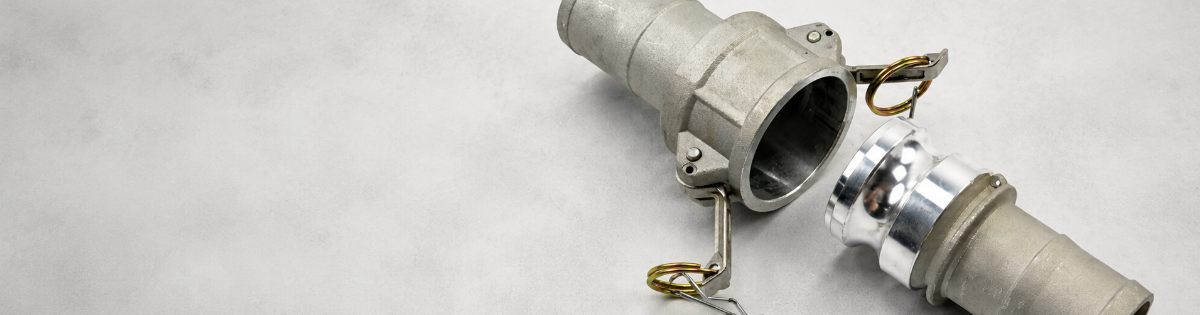
Camlock Couplings Types Explained
Camlock couplings, also known as cam and groove couplings, are quick-connect fittings used for joining hoses, pipework, pumps, tanks and transfer equipment.
They are popular because they can be connected and disconnected quickly without needing to screw two fittings together every time. The cam arms lock the two halves together, making them useful for fluid transfer, water handling, site work, agricultural use and general workshop applications.
Quick rule: choose the camlock type by the connection you need. Check whether you need a male adaptor, female coupler, thread, hose tail, dust cap or dust plug before ordering.
What Is a Camlock Coupling?
A camlock coupling is a two-part quick-release connection. One half has cam arms, and the other half has a matching adaptor. When the two parts are pushed together, the cam arms are pulled down to lock the connection in place.
Camlocks are commonly used where hoses need to be changed, removed or connected quickly. They are often used with suction hoses, delivery hoses, water transfer equipment, pumps and tanks.
Camlock Type Guide
The main thing that confuses people is the type letter. Type A, B, C, D, E, F, DC and DP all do different jobs. The table below gives a plain guide.
| Camlock Type | Visual | Connection Style | Used For |
|---|---|---|---|
| Type A | 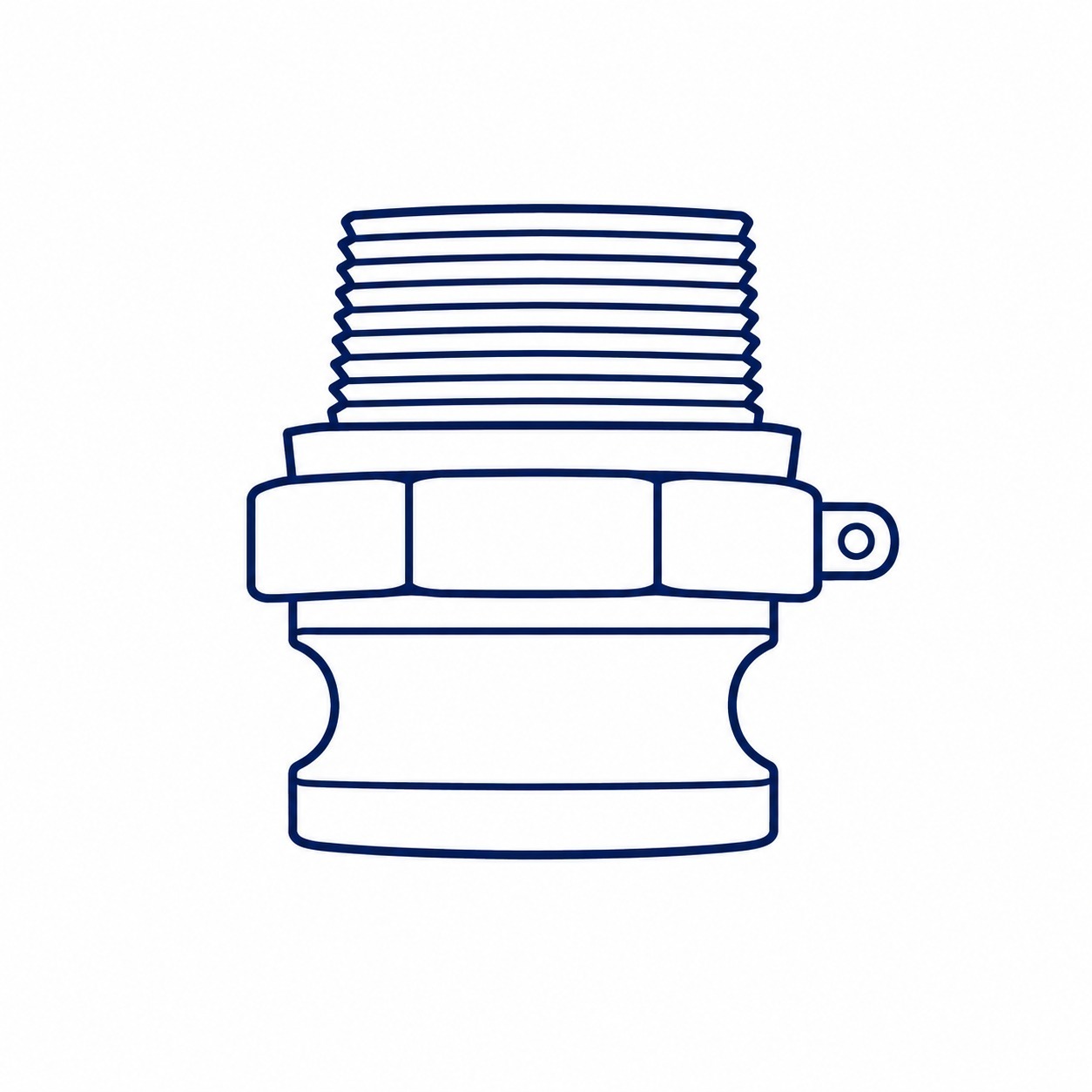 |
Male adaptor with female thread | Connecting a female threaded fitting to a female camlock coupler. |
| Type B | 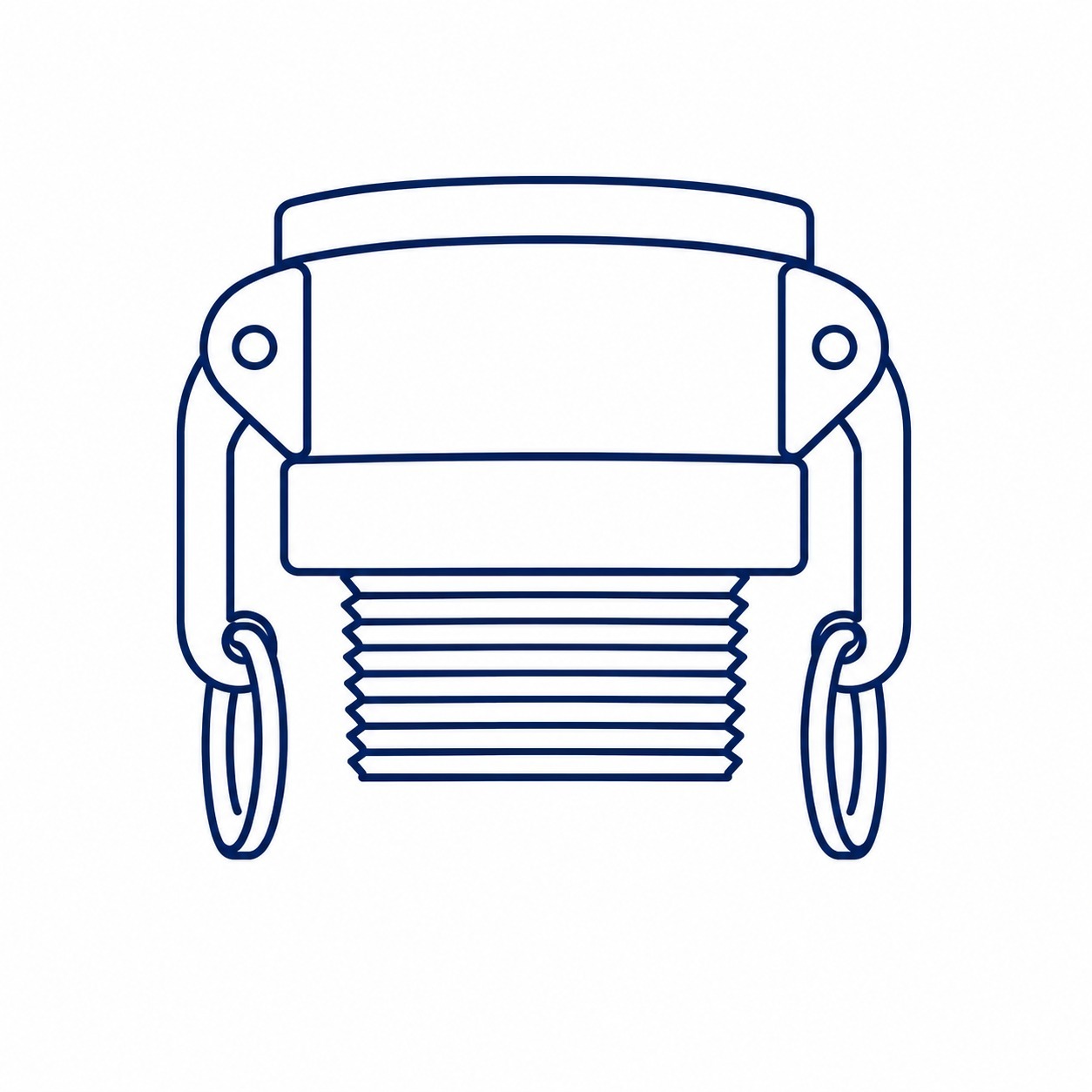 |
Female coupler with male thread | Connecting a male threaded fitting to a male camlock adaptor. |
| Type C | 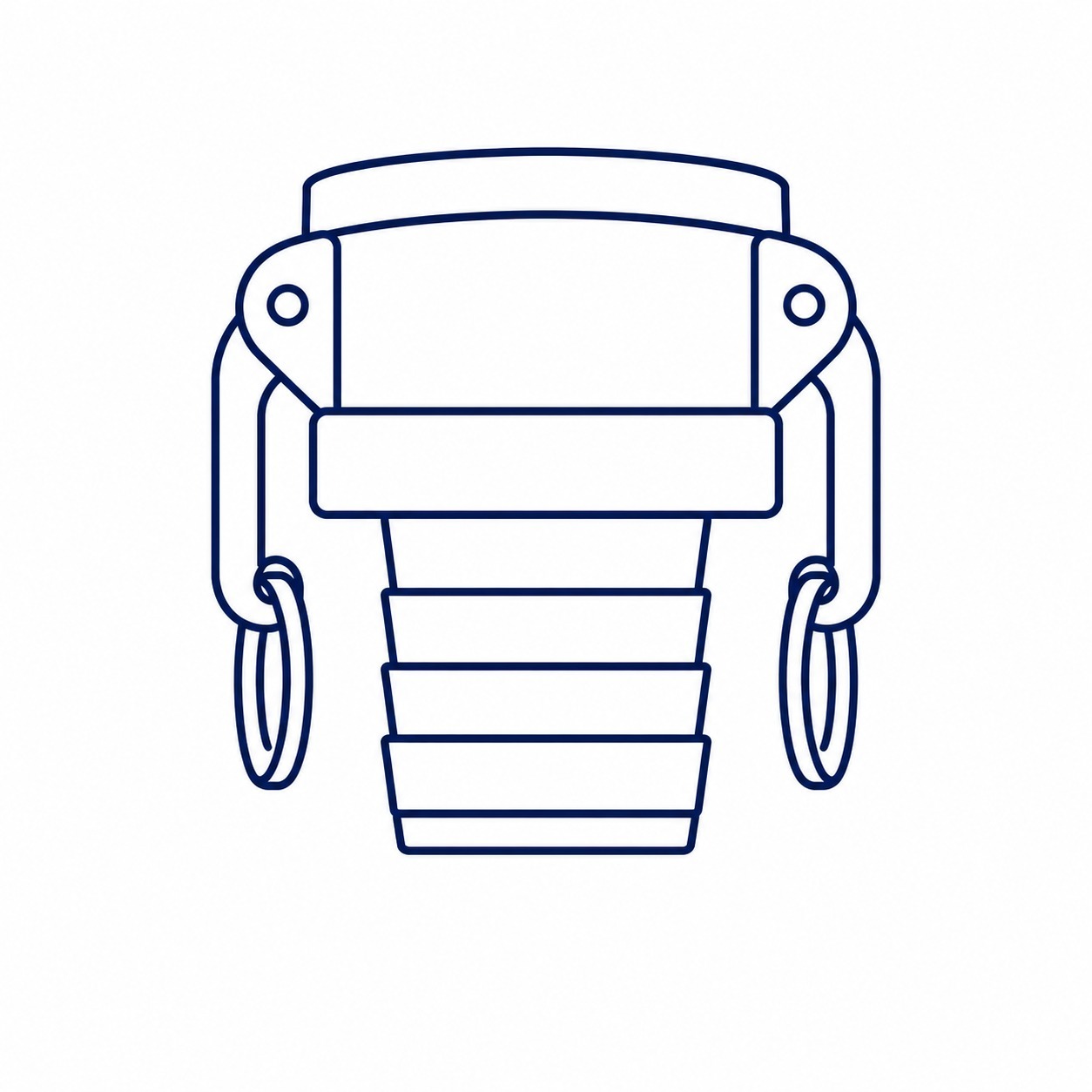 |
Female coupler with hose tail | Connecting hose directly to a male camlock adaptor. |
| Type D | 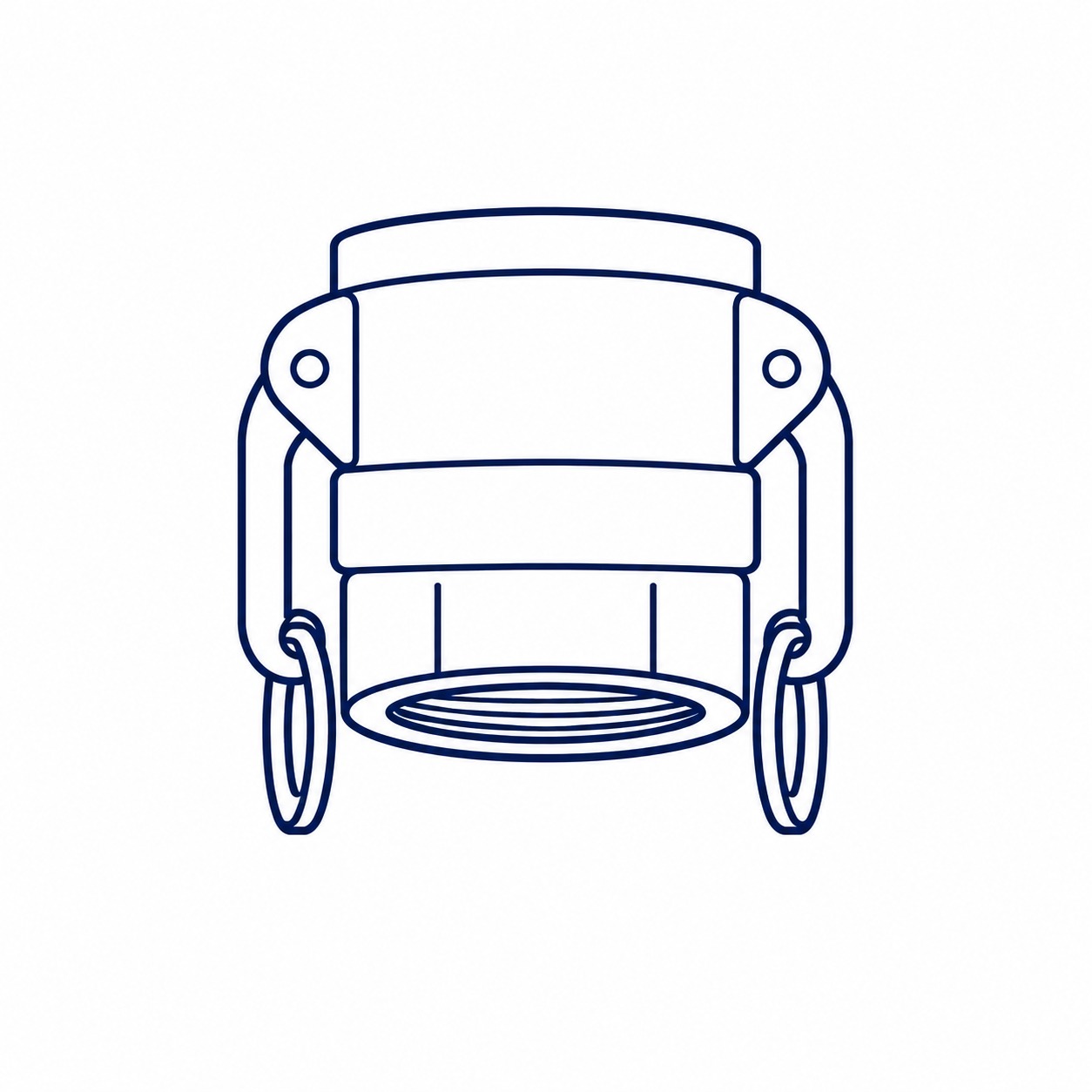 |
Female coupler with female thread | Connecting a male threaded fitting to a male camlock adaptor. |
| Type E | 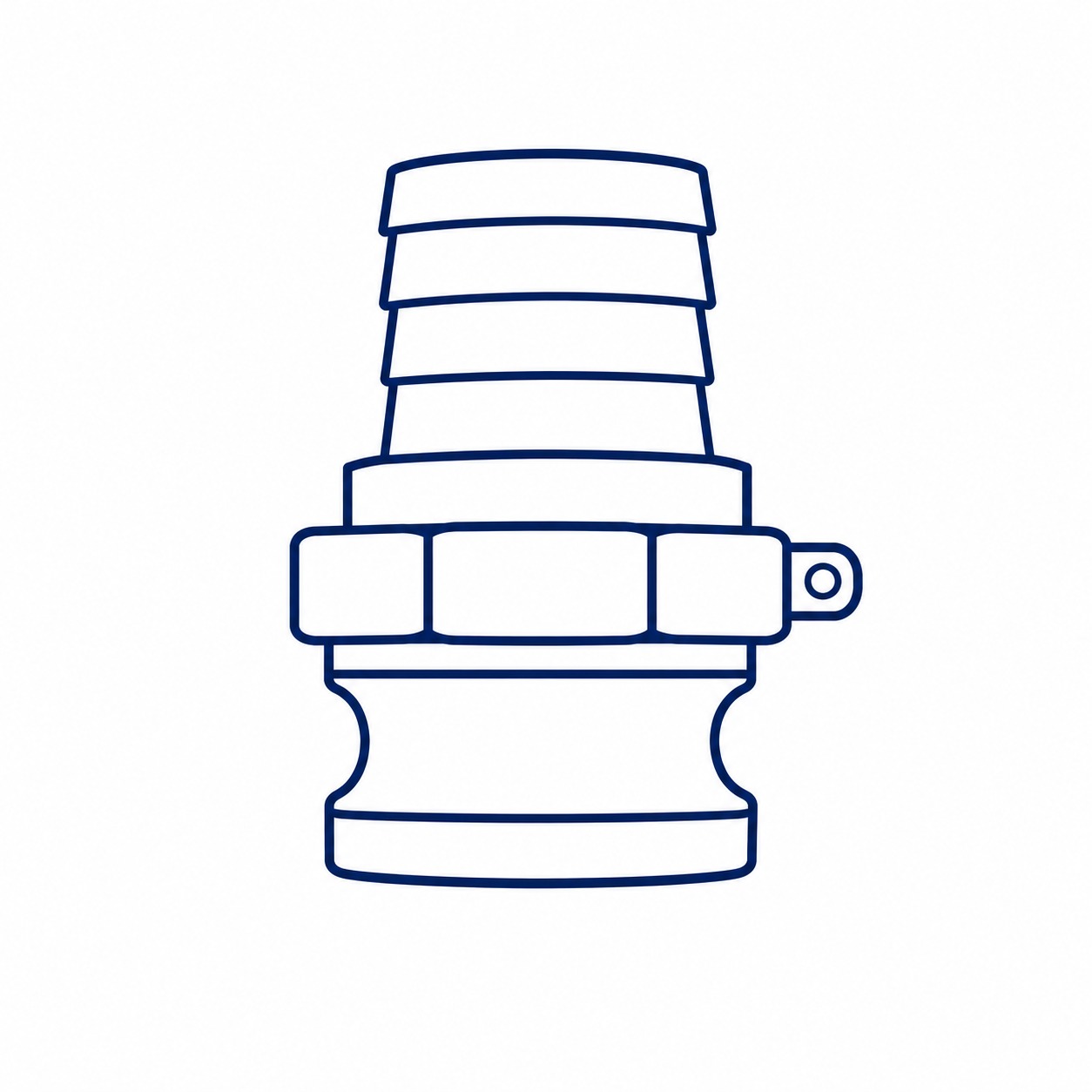 |
Male adaptor with hose tail | Connecting hose directly to a female camlock coupler. |
| Type F | 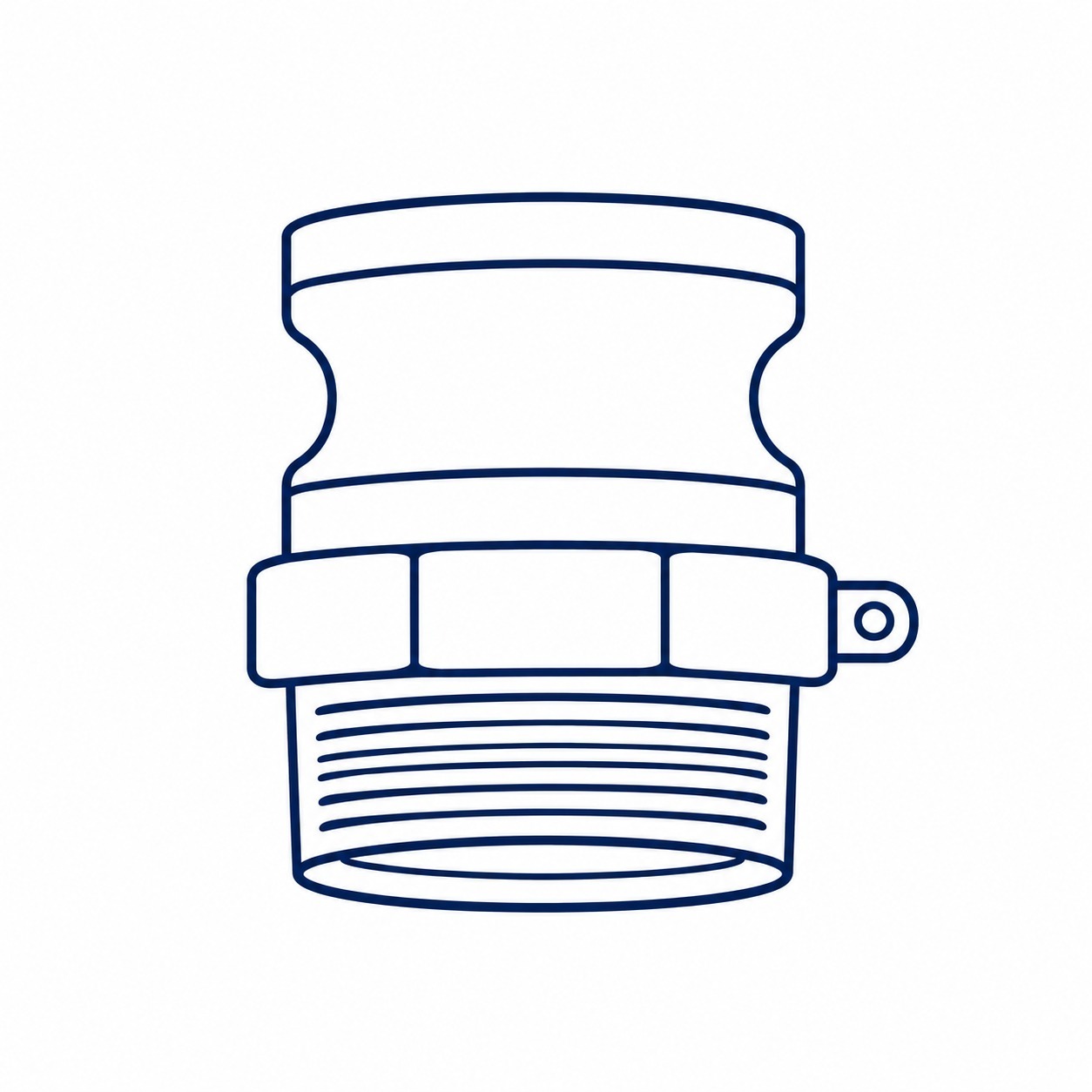 |
Male adaptor with male thread | Connecting a female threaded fitting to a female camlock coupler. |
| Type DC |  |
Dust cap | Closing off a male camlock adaptor when it is not in use. |
| Type DP |  |
Dust plug | Closing off a female camlock coupler when it is not in use. |
Male Adaptor or Female Coupler?
Camlock fittings are often described as male adaptors or female couplers. This is separate from the thread gender, which can make things confusing.
The camlock side of the fitting is the quick-connect side. A male camlock adaptor pushes into a female camlock coupler. The female coupler has the cam arms that lock around the adaptor.
Important: male and female can refer to the camlock end or the threaded end. Always check both ends of the fitting before ordering.
Threaded Camlocks vs Hose Tail Camlocks
Some camlocks connect to threaded pipework, valves, tanks or pump outlets. Others connect directly to flexible hose using a hose tail.
| Connection Type | Best For | What to Check |
|---|---|---|
| Threaded camlocks | Connecting to pumps, tanks, valves, pipework and threaded fittings. | Check thread size, thread type and whether the thread is male or female. |
| Hose tail camlocks | Connecting camlocks directly to flexible hose. | Check the hose internal diameter and use a suitable hose clip where required. |
| Dust caps and plugs | Keeping dirt, debris and contamination out when the line is disconnected. | Check whether you need to cap a male adaptor or plug a female coupler. |
What Material Should You Choose?
Camlock couplings are available in different materials. The right choice depends on the fluid, environment, weight, corrosion resistance and budget.
| Material | Common Use | Things to Check |
|---|---|---|
| Aluminium camlocks | General water transfer, site use, agricultural work and lightweight hose connections. | Check compatibility with the fluid and working environment. |
| Brass camlocks | Water handling, general hose connections and some fuel or oil-related applications where suitable. | Check fluid compatibility, thread size and pressure requirements. |
| Stainless steel camlocks | Applications where corrosion resistance, hygiene or a tougher material may be needed. | Check grade suitability, application and cost. |
| Polypropylene camlocks | Lightweight chemical or water applications where plastic is suitable. | Check chemical compatibility, temperature and pressure limits. |
Quick Camlock Selection Guide
| If You Need To... | Look For | Reason |
|---|---|---|
| Connect a female threaded fitting to a camlock | Type A or Type F, depending on the camlock half needed | Both include male camlock adaptor ends with threaded connections. |
| Connect a male threaded fitting to a camlock | Type B or Type D, depending on the camlock half needed | Both include female camlock coupler ends with threaded connections. |
| Connect flexible hose to a female camlock coupler | Type E | Male camlock adaptor with hose tail. |
| Connect flexible hose to a male camlock adaptor | Type C | Female camlock coupler with hose tail. |
| Close off a male camlock adaptor | Type DC | Dust cap fits over the male adaptor. |
| Close off a female camlock coupler | Type DP | Dust plug fits into the female coupler. |
Find the Right Camlock Coupling
Browse our camlock couplings to find the correct type, size and material for your hose or pipe connection.
Browse Camlock Couplings Open a Trade Account


