


7, 8 and 13 Pin Trailer Plugs Explained
7, 8 and 13 Pin Trailer Plugs Explained
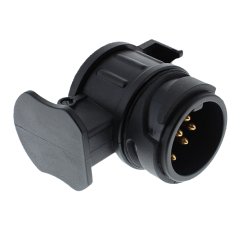
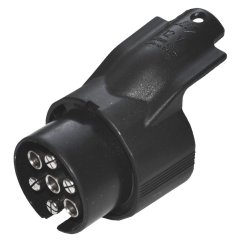
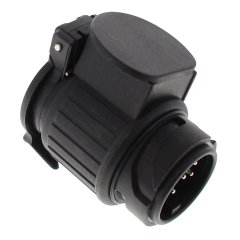
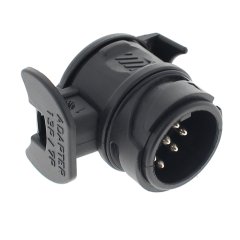
Trailer plug wiring can be confusing, especially when a plug looks like a 13 pin connector but only has 8 pins fitted or wired.
The simple version is this: basic 7 pin and 8 pin setups are mainly used for trailer road lights. A fully wired 13 pin plug can handle those same lighting functions, but also has extra pins for reverse lights, permanent power, switched power and additional earth connections.
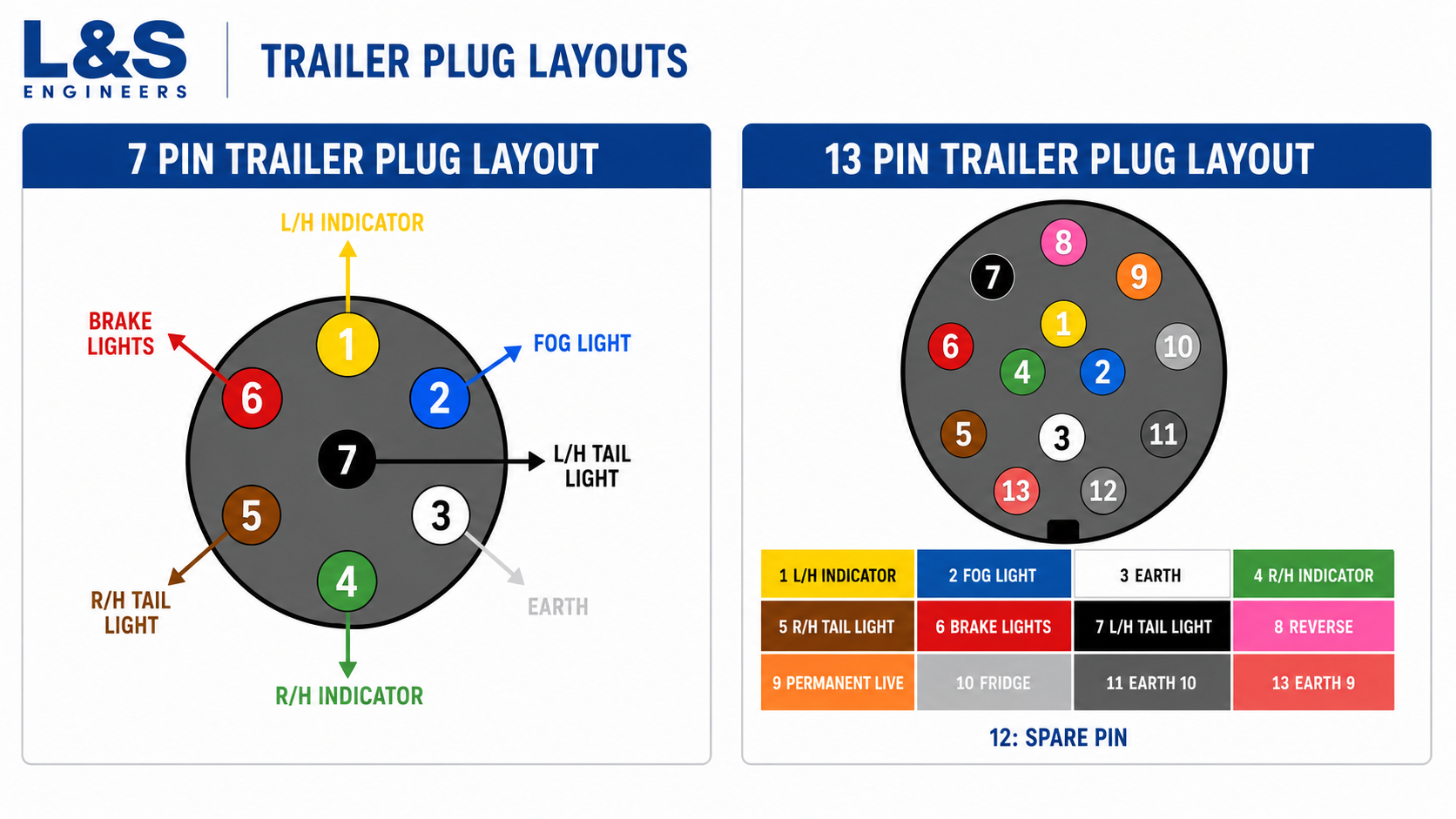
Why Can a 13 Pin Plug Only Have 8 Pins?
A 13 pin trailer plug has space for 13 electrical connections, but not every trailer needs all of them.
If the trailer only needs lighting, brake lights and reverse lights, the plug may only have the first 8 pins fitted or connected. This is common on trailers that do not need fridge power, permanent power, charging feeds or other auxiliary circuits.
So, just because the plug body is 13 pin, it does not always mean all 13 functions are being used.
What Does a Basic 7 Pin or 8 Pin Trailer Plug Cover?
A basic 8 pin trailer plug is normally used for trailer lighting. This is enough for many general trailers, plant trailers, light boards and smaller towing setups where no extra onboard electrical equipment is needed.
A standard 7 pin towing setup usually covers the main road lights. Some 8 pin setups add reverse, depending on the plug, socket and trailer wiring.
The usual 8 pin functions are:
- Pin 1: Left hand indicator
- Pin 2: Fog light
- Pin 3: Earth
- Pin 4: Right hand indicator
- Pin 5: Right hand tail light
- Pin 6: Brake lights
- Pin 7: Left hand tail light
- Pin 8: Reverse light
What Are the Extra Pins on a 13 Pin Plug For?
A fully wired 13 pin trailer plug includes the lighting functions above, then adds extra circuits for power and auxiliary use.
The additional functions are usually:
- Pin 9: Permanent power
- Pin 10: Fridge or switched power supply
- Pin 11: Earth for pin 10
- Pin 12: Spare or optional function
- Pin 13: Earth for pin 9
These extra pins are more useful on caravans, larger trailers and setups where equipment needs power while being towed.
7 Pin, 8 Pin and 13 Pin Trailer Plug Comparison
The table below shows the main differences between a basic 7 pin trailer plug, an 8 pin trailer plug and a full 13 pin trailer plug setup.
| Feature | 7 Pin | 8 Pin | 13 Pin |
|---|---|---|---|
| Road lights | Yes | Yes | Yes |
| Reverse light | Usually no | Yes | Yes |
| 12V power feeds | No | No / limited, depends on product | Permanent and switched |
| Water resistance | Basic | Usually better sealed | Usually better sealed |
| Locking | Push fit | Usually twist lock | Twist lock |
| Typical use | Small trailers, light boards | Modern trailers needing reverse light | Caravans, larger trailers, auxiliary power |
8 Pin vs 13 Pin: What Is the Difference?
The main difference is how much the plug can control.
An 8 pin setup is mainly for trailer road lighting, usually with reverse included. A 13 pin setup can do the same lighting jobs, but also supports extra electrical functions when they are wired in.
For a simple trailer, 7 or 8 pins may be all that is needed. For a caravan, larger trailer or trailer with extra powered features, a fully wired 13 pin connection is usually the better option.
What to Check Before Replacing a Trailer Plug
Before replacing a plug or socket, check what the trailer actually needs. Do not assume every 13 pin plug uses every pin.
It is worth checking:
- How many pins are physically fitted
- Which wires are actually connected
- Whether the trailer needs reverse lights
- Whether permanent or switched power is required
- Whether the earth connections are clean and secure
- Whether the socket and plug match the towing vehicle
Poor earth connections are a common cause of trailer lighting faults. If the lights are dim, flickering, working on the wrong side, or behaving strangely when braking or indicating, always check the earth before replacing parts.
Common Trailer Plug Faults
Trailer plugs and sockets work in exposed conditions, so corrosion, loose pins and damaged trailer cable are common.
Typical faults include:
- Indicators not working
- Brake lights staying off or behaving incorrectly
- Tail lights flickering
- Reverse lights not working
- Fog light faults
- Auxiliary power not reaching the trailer
- Green or corroded terminals inside the plug
If the plug has been dragged, crushed, left exposed to water, or repaired several times, replacing it is often quicker and more reliable than chasing repeated wiring faults.
Final Check
A 7 pin trailer plug is usually enough for basic road lights. An 8 pin setup may also include reverse. A 13 pin plug gives you the option of extra power functions, but only if those pins are fitted and wired.
When checking or replacing trailer electrics, match the plug to the trailer’s actual wiring requirements. A neat connection, clean pins and a good earth will solve a lot of common lighting issues.